







Give Claude the freedom to design with real imagery.
Stock Photo MCP connects your agent to commercial stock libraries so it can source real, licensable photography for ad creative, websites, pitch decks, and more.
Overview
AI design agents can't generate licensable photography, so a real photo becomes the bottleneck: the agent settles for placeholder imagery, or you find and license one by hand. Stock Photo MCP, a Model Context Protocol (MCP) server, closes the gap: your agent sources a real, licensable photo without leaving the design, and licensing stays one tracked link away.
Capabilities
Live search, no catalog
Every query runs against the vendors' own APIs at request time. Nothing is scraped, stored, or re-hosted.
Compliance in the code path
Watermarked previews until licensed, required attribution on every result, editorial assets excluded. Enforced by the server, not the agent.
Built for agents
One numbered contact sheet instead of sixteen URLs: agents compare options visually and pick by badge number, inside the token budgets MCP clients enforce.
Evidence
A controlled comparison
We ran a controlled test. Two identical design agents (same model, same verbatim brief) produced ad creatives for a fictional brand. The only difference was whether the agent could reach Stock Photo MCP. Without it, an agent can't generate photography, so it invents a stand-in: emoji, flags, hand-drawn cartoons. With it, it places licensed photography.
Brief (verbatim, both arms)
Model claude-sonnet-5
Create 3 distinct advertising creatives for Riverstone Dental, a neighborhood family dental practice in Boulder, Colorado (riverstonedental.com). Deliver each as a single self-contained HTML file, exactly 1080×1080 pixels. The size and the three files are the only requirements. Every creative and design decision is yours.
Without Stock Photo MCP

With Stock Photo MCP
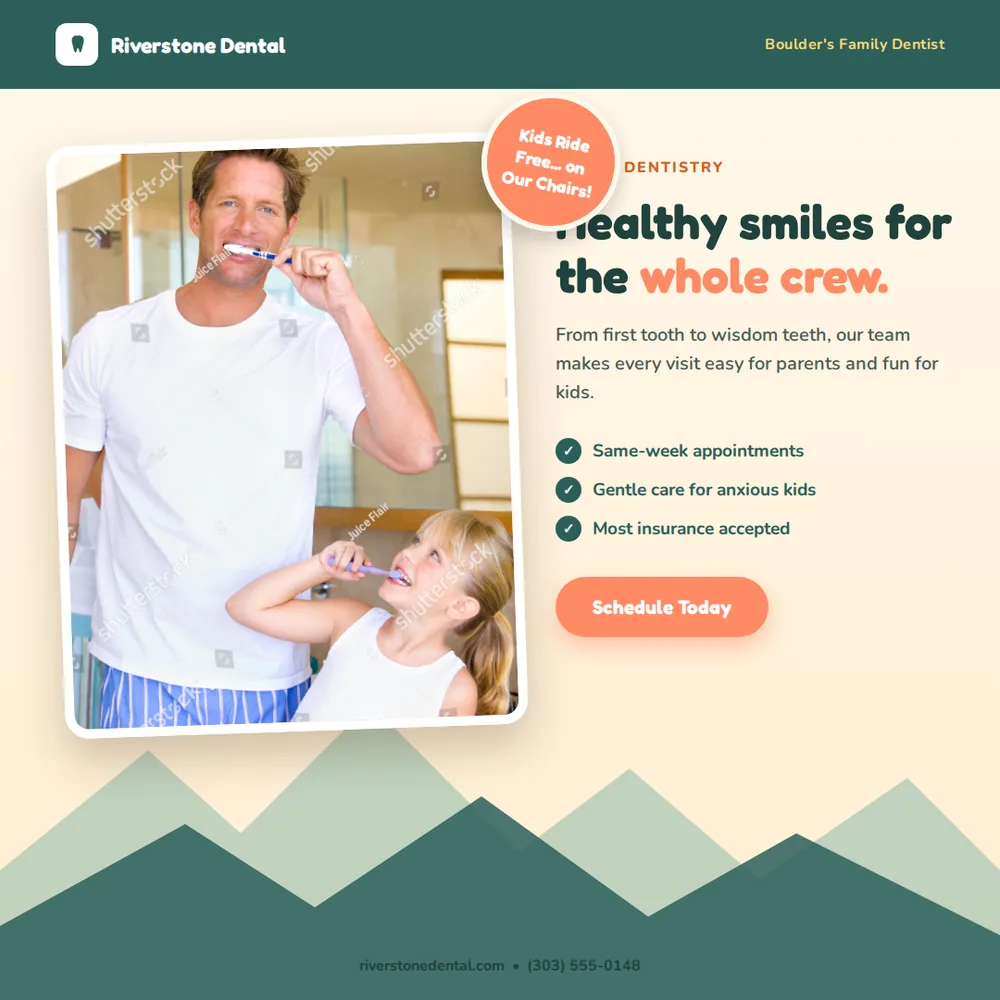
Asked to show a family, the tool-less agent drew five emoji faces. With Stock Photo MCP, it placed a licensed photo of a real one.
Brief (verbatim, both arms)
Model claude-sonnet-5
Create 3 distinct advertising creatives for Roamly, an AI-powered travel planning app: you just tell it where you want to go and it guides you step by step through planning the entire trip (roamly.app). Deliver each as a single self-contained HTML file, exactly 1080×1080 pixels. The size and the three files are the only requirements. Every creative and design decision is yours.
Without Stock Photo MCP

With Stock Photo MCP
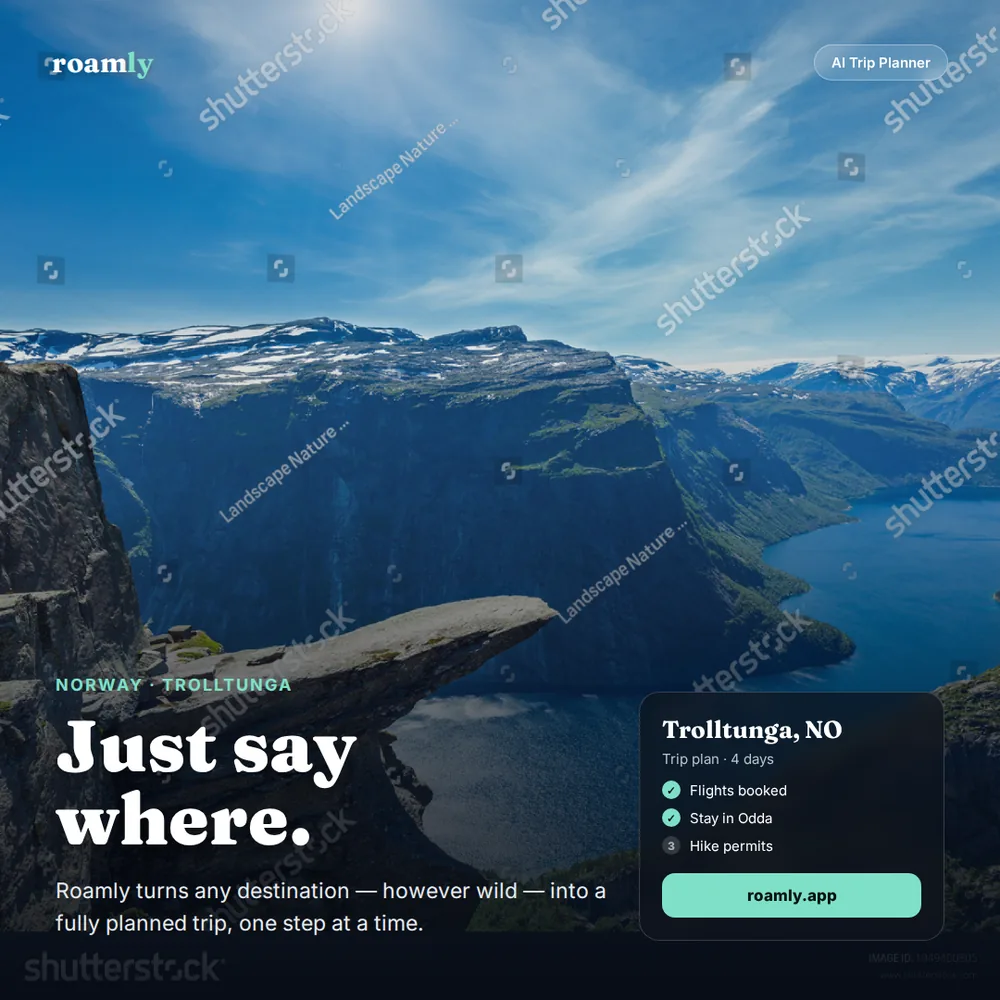
With no way to picture a destination, it rendered a gradient sunset. With Stock Photo MCP, it sourced a real photograph of Trolltunga, Norway.
Brief (verbatim, both arms)
Model claude-sonnet-5
Create 3 distinct advertising creatives for Cedar & Vale Realty, a local real-estate brokerage. These are large portrait banners that will be printed and mounted to cover the brokerage's street-facing office windows, viewed by passersby on the sidewalk. Deliver each as a single self-contained HTML file, exactly 1080×1527 pixels (portrait). The size and the three files are the only requirements. Every creative and design decision is yours.
Without Stock Photo MCP
With Stock Photo MCP
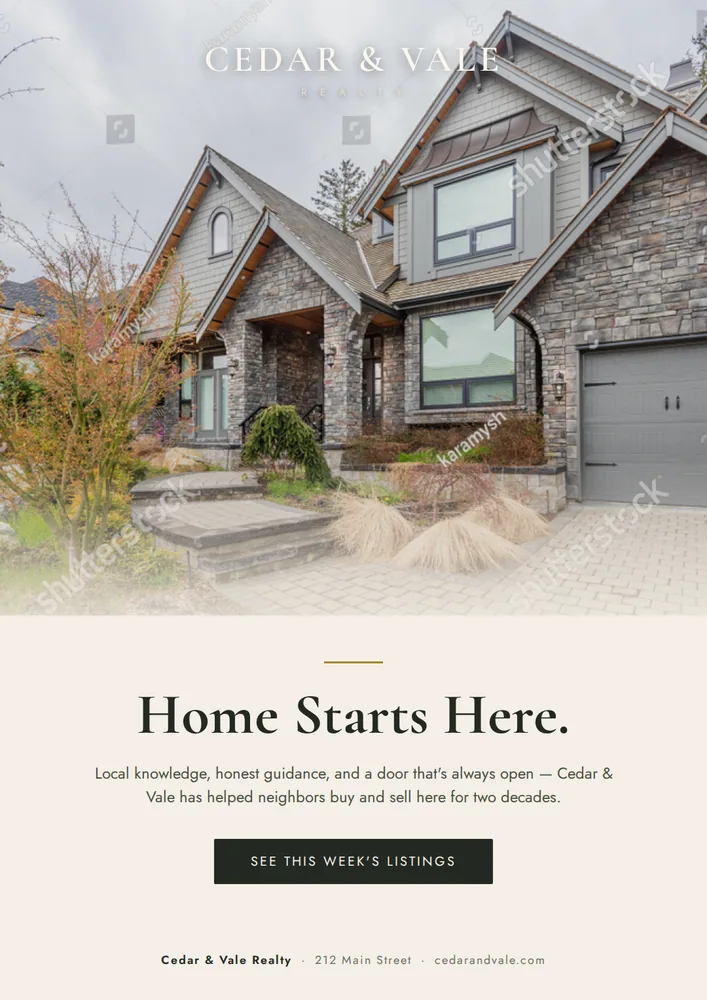
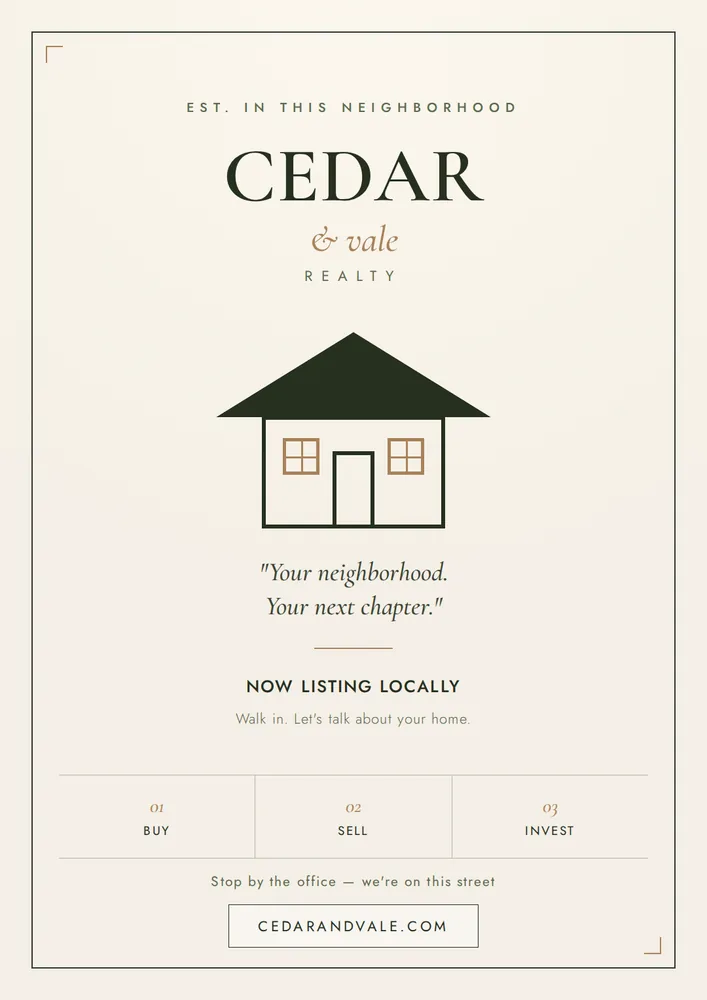
A property ad with no property to show: the tool-less agent hand-drew a cartoon cottage. With Stock Photo MCP, it placed an actual listing photo.
One run per arm per test: a vivid illustration, not a measured distribution. Treatment images are watermarked previews; purchases complete on the vendor's site. Stock Photo MCP ships usage guidance alongside its tools, so this compares the whole package. Tested July 2026.
FAQ
What is Stock Photo MCP?
Stock Photo MCP is a Model Context Protocol (MCP) server that connects an AI design agent to commercial stock-photo libraries. The agent searches for real photography by subject, reviews the results as a numbered contact sheet, and places a watermarked preview into the work with its license link and required attribution attached.
What problem does Stock Photo MCP solve?
AI design agents can build layouts but can't generate licensable photography, so a real photo becomes the bottleneck: the agent falls back to generated or placeholder imagery, or someone leaves the workflow to search a library and sort out the license by hand. Stock Photo MCP closes that gap — the agent sources a real, licensable photo without leaving the design, and licensing stays one tracked link away.
How does Stock Photo MCP work, from design brief to licensed photo?
It starts with a design your agent is building that needs a real photo. The agent searches commercial libraries live and returns a numbered contact sheet; it places the watermarked preview you pick — carrying the contributor credit — into the layout. When you approve the design, you license that image through its link on the vendor's site, and the watermark comes off.
Who is it for?
Designers, developers, and teams whose AI assistant — Claude, Cursor, or another MCP client — needs real photography rather than generated or placeholder images. It suits ad, social, landing-page, and deck work where an agent should source a licensable photo without leaving the workflow to hunt for one.
Can Claude or Cursor search and use stock photos?
Yes. Connect Stock Photo MCP to Claude Code, Claude Desktop, Cursor, or another MCP client, and the agent gains two tools: one to search stock libraries and return a numbered contact sheet, and one to fetch the full watermarked preview of a chosen result for placement in the design.
Which stock libraries does it search, and how is licensing handled?
Shutterstock is live, with an Adobe Stock adapter in development. Licensing terms are enforced in the server's code, not left to the agent: previews stay watermarked until licensed, each vendor's required attribution renders on every result, editorial assets are excluded, and responses are cached no longer than the vendor allows.
Does Stock Photo MCP store, host, or resell the images?
No. Searches run against the vendors' own APIs at request time; there is no hosted catalog. Stock Photo MCP never sells, delivers, or stores licensed files — every purchase completes on the vendor's site. Only transactional data such as queries, selections, and click events is persisted.
What does it cost?
Connecting and searching are free. The images themselves are licensed and paid for on the vendor's site, at the vendor's price. Adpharm earns a commission when a user licenses an image through the tracked affiliate link attached to a result; that commission does not change what the user pays.
Bring licensed photography into your agent workflow
Connect Stock Photo MCP to your MCP client and your agent can source real, licensable photos without leaving the design. Purchases complete on the vendor's site, always.